g

9 minutes Buyers like you think about the essentials such as where you want to live, how big the house should be and how much you can spend. You think of how old the house is, what it is built from (the structure), if it needs fixing up and how much upkeep it might need.
Download the PDF and start your list by thinking about all the things people like you generally want and need when they're looking to buy a house. Then choose from that list what you really want and prioritise your house wish list.
You also think about what you would like in or near your new home. This might include a garden, a place to park their car or being close to schools and shops. Some buyers also want modern features like energy-saving appliances or smart technology. Having a checklist helps buyers focus on what's important to them making it easier to find the right house. To compare Old vs Modern homes read the article on Buying a New Build Home vs Old Build Home - Pros & Cons and to compare bungalows and multi-storey homes read Bungalow vs House Pros & Cons.
Take your time and also think how long you want to stay in the house; for example, are you moving to be near a good hospital or doctors? Do you want to be near a supermarket or avoid traffic from shoppers? The home buyer's checklist isn't just about the house itself; it's also about the surrounding area. Buyers might want to consider factors like the quality of local schools, access to public transportation or the safety of the neighbourhood. These aspects can significantly impact your day-to-day life and long-term satisfaction with your new home. So including the 'environment' on the checklist and noting down these factors will ensure you, the buyer, evaluates not just the property but also the surroundings ensuring you find a place that truly feels like home. If you want to renovate a house read Buy a home that needs renovation - a fixer-upper house to discover the pros and cons of home refurbishment.

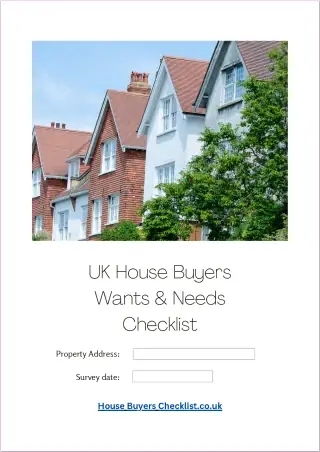
The checklist is available as a downloadable printable PDF - CLICK to Download the House Buyers Wants & Needs Checklist. Save the file and open it in your PDF reader - Using the tick boxes on the PDF choose what you would like in your ideal property and save the file as 'my property'. Then you can use a copy of this every time you view a property to see if it matches your dreams! Feel free to distribute it.
If you or family / friends that visit have mobility problems accessibility is a major consideration. External accessibility refers to the ability to get to and enter the property while internal involves movement around the house including use of a bathroom.
Everybody has their preference on old versus new and what transforms a house into a home.
Most houses will be either brick, concrete block or if older of stone. Steel frame or 'fabricated steel' is considered a special type of structure and it may be more difficult to get a mortgage and insurance. Timber frame is increasingly common but again some mortgage providers avoid them. 'Brick slips' which are thin bricks glued to a sheet which is then attached to a steel or timber frame are used to give the impression that a house is made of bricks so always ask the seller about the construction method.
Then you need to think of the 'shape' and size of your new home.
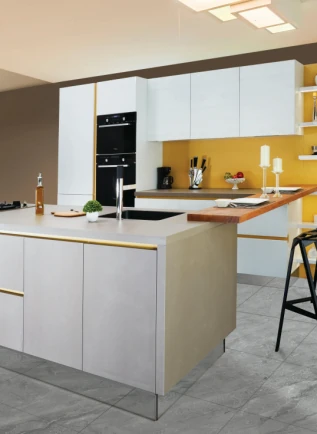
Continue with the house itself and think about the rooms in it - how many bedrooms, bathrooms and other areas do you want? Do you want a bath or shower or both? And let's not forget the kitchen layout and living area as well as a 'work from home' (WFH) space.

If you work from home, a private space is needed.
Windows reduce noise but are a source of energy loss - more layers of glass improves both.
Carpets give a snug feeling but need regular vacuuming - hardfloors are easy to maintain.
Sliding doors open up space.
You may be considering buying a house of a particular size with intention to build on later - a home with planning permission is then of interest. When you finally visit a house, always look around neighbouring houses to see if any have extensions.
Electricity, oil and gas are the traditional power and heat sources but between price increases and the pollution created many buyers now consider both the energy rating given in an 'Energy Performance Certificate (EPC) and the alternative energy sources installed. Always check if there are any planning or building restrictions regarding installation of solar panels or a heat pump. Look at Buying an Energy-Efficient Home - What to Look For for information on reducing energy costs.
Mechanical Ventilation with Heat Recovery (MVHR) is a full house heat recovery system which is highly efficient in a Passivhaus (energy efficient) design house but of little use in a draughty Victorian building. Decentralised Mechanical Ventilation Heat Recovery (dMVHR) is a room by room system that recovers heat leaving the room and immediately returns warmed air to the room - a bathroom is a typical case where a vent removes the damp warm steam and warms incoming air.
Mobile reception is essential as is high speed internet with cable or satellite.
Home automation can vary from remote control of your gates to control of your heating and lighting.
With pets being so common, you may have to consider what space you have available internally and externally especially if it is a dog. Check if there is an out of hours emergency vets service nearby.
Not everybody wants a big garden but they are great when you want to relax in the good weather and maybe even have a barbeque. If you have large bushes, trees or creeping plants very near or touching the house, they can cause dampness problems, subsidence or roof damage if the creeping plants like ivy enter the roofspace. A west facing garden will have sun in the summer evenings.
With a car or van, private parking is of great benefit and reduces the risk of theft. If parking is far from the house, think of the effort in bringing shopping from the car.
When buyers start their search, they often have specific things in mind that they're looking for in a home. This could be as simple as wanting a sunny kitchen or a big backyard for the kids to play in. Other times, it's about practicalities, like needing an extra room for a home office or space for a pet. And don't forget parking facilities for visitors which is often a problem in new estates. By listing these preferences, buyers can stay organised and keep track of what's most important to them as they view different properties. Energy use is a major consideration and 'sunny' houses facing south are warmer - surrounding trees will block heat and light so think about what direction the house faces; just look for a Sky satellite dish - they face approximately south as a rough guide.
Where you want to live will depend on family needs, wishes and pure practicality for schools etc...Always think of how long you want to stay in your next home and of future planned life changes.
Access to travel and having a home near a commuter hub can be an important issue so always check local timetables and reliability. Taxis are very important in smaller towns. If you have children, transport links to schools are important.
Even if you use home delivery, it's always great to have local shops and a place to go and meet your new neighbours.
A strong sense of community can make a neighbourhood feel like home. Families often value areas where people know their neighbours, and there are opportunities to participate in local events. Signs of a strong community show in often simple ways such as if the locals visit pubs and cafes or have local sports grounds.
Doctor and Dentist availability and hospital services are always important; many practices have waiting lists.
Exercise is vitally important to a healthy life so always think of how you can spend some time just walking or playing your favourite sport.
This will depend on if you have or are planning on children or further study / career progression with study. Check a property postcode is in your target schools catchment area before buying and check Ofsted Ratings. If you have young children, look for areas with good primary and secondary schools to avoid moving again in the future.
Safety is paramount when raising a family. A neighbourhood with low crime rates and a strong sense of community can provide peace of mind for parents and a secure environment for children. Judge the area by walking and driving around and maybe taking a local bus or train.
Now you have to think of why you are moving and what you really do not want near your new home - from avoiding kitchen smells from a restaurant to noise pollution, think deeply what you will not accept to narrow your wish list down further. When considering flood risk, it is not just about living near a river or flood risk area (flood plain). If you have a basement with a bathroom and the sewage system blocks or is overloaded on the street, you could be flooded via the toilet or shower/sink- this can happen during heavy rain so think carefully about it. We have a detailed article on this at Buying a home with flood risk or chance of water damage.

Always check planned developments in your target areas as these may not just affect your house price but can create traffic and extra demand on local resources such as schools. Security is always a strong factor in buying a house and you should always check crime rates. Our article on Insurance - protecting your home tells how to get further background information on an area possibly including previous claims for flood damage just by asking for insurance quotations.
If there is a civil or military airport nearby (within 15 miles), beware of being on a flight path - these vary during the day to reduce the noise problem so check. Railway stations or tracks near a home can be very disruptive particularly if used for goods trains at night as can distribution and courier warehouses which have persistent traffic.
Setting out your 'wishes' for your future home is a major step of house buying - Common home buyer mistakes to avoid should help you further.
To now learn about how to judge a house you should read House viewing checklist for buyers - What is a house buyers inspection? and What are the different types of house buyers survey? to get some detail on what is checked in professional surveys such as those by RICS members.
If you have a house for sale, we also have prepared a Vendors Inspection Check list at House Sellers Checklist .co.uk
last updated July 24th, 2026